How to Choose the Right Dubai Desert Safari for Your Trip
Choosing a desert outing is easier when you know what kind of day you want. Some trips lean toward thrill rides and packed schedules. Others keep things slower, with time for photos, a short ride on a camel, and a relaxed evening meal. The right pick depends on your comfort level, your timing, and the details you check before booking.
Start with the kind of experience you want
Begin by deciding how much movement you want from the day. If you enjoy high-energy activities, look for a trip built around dune bashing, sandboarding, and other active stops. If you prefer a calmer pace, focus on options that give more room to camel riding, sunset photography, and time in the desert without a tight schedule.
This first choice shapes everything else. A thrill-focused outing may feel exciting for some visitors and too rough for others. A softer itinerary may suit families, older travellers, or anyone who wants a smoother afternoon. Think about the least comfortable person in your group and plan around that level, not the most adventurous one.
Set your preferred time before comparing offers
Most people choose between a daytime trip and a late afternoon or evening trip. A morning outing often feels cooler and quieter, with clearer light for photos. A late afternoon trip tends to include the changing colours of the dunes and often leads into dinner and evening entertainment.
Check what is actually included in the timing. The start time matters, but so do pickup, travel time, breaks, and the end time. A long trip can be rewarding, yet it may crowd out other plans. A shorter one may fit better if you have dinner reservations or early commitments the next day.
Heat is a practical point to consider. In warmer months, midday sun can make even simple walking tiring. Look for shaded seating, water, and a schedule that avoids the harshest part of the day. Bring sun protection, comfortable clothing, and footwear that can handle sand.
Match the activities to your group
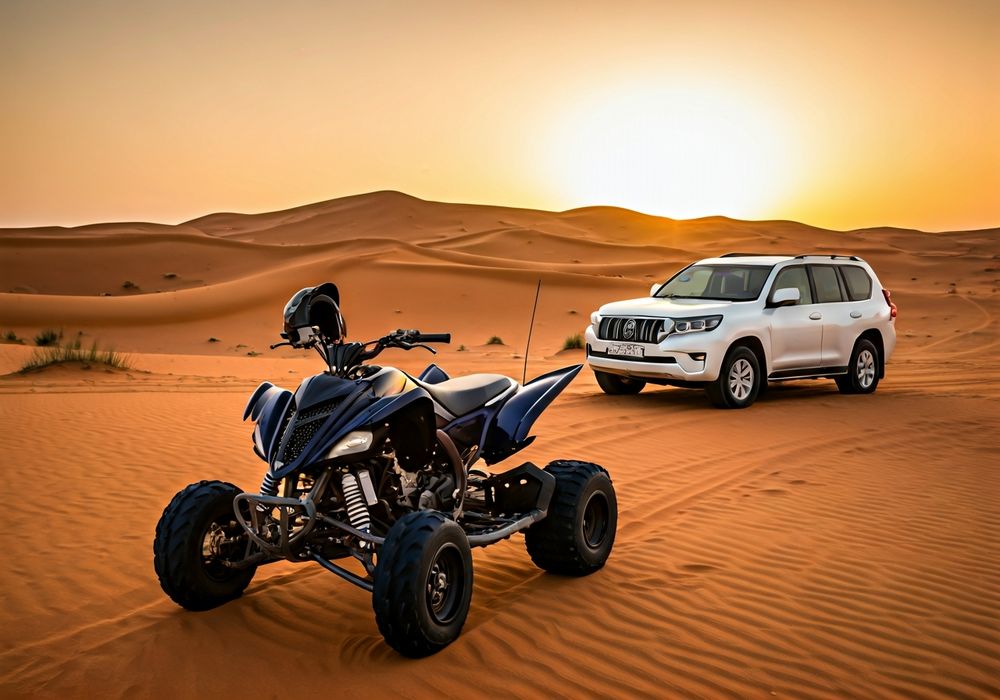
Read the activity list carefully instead of judging by the headline. A trip that mentions dune bashing may still include other stops, while a family-focused option may keep the driving gentler. If you want a specific activity, check that it is part of the package rather than an optional extra.
Common inclusions can shape the feel of the trip:
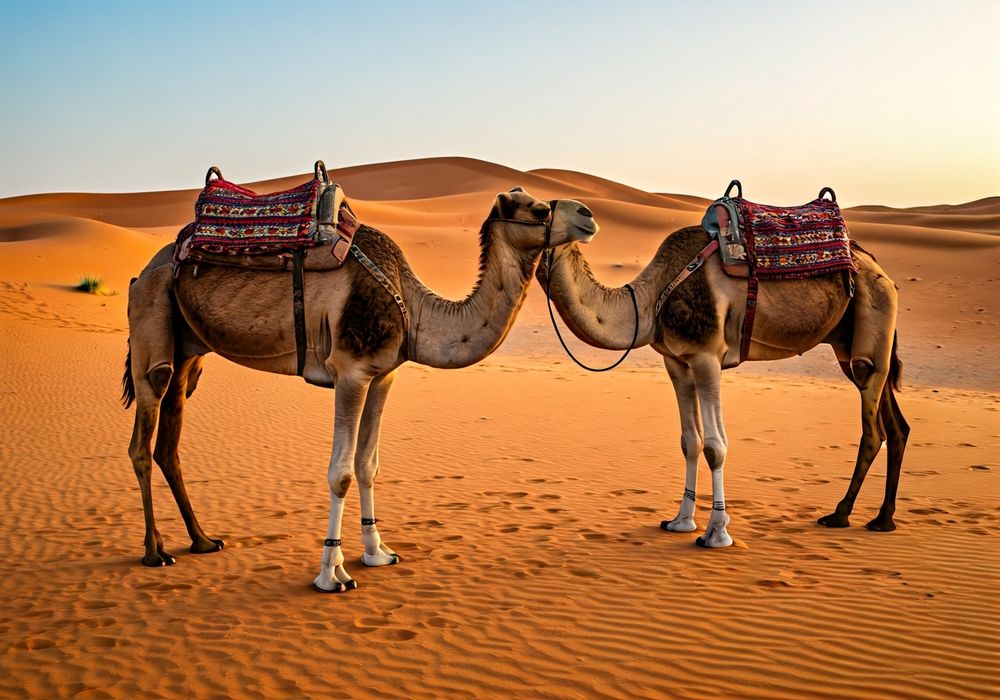
- Camel riding for a short, traditional desert experience.
- Sandboarding for a playful stop on the dunes.
- Henna painting for a quiet, hands-on activity.
- A falconry display for a close look at a long-standing desert tradition.
- An Arabian dinner to round off the evening.
Think about how these fit together. Too many stops can make the day feel rushed, especially if each one has a queue. If your main goal is rest and scenery, a shorter list of activities may be more satisfying. If you are travelling with children, check age rules and whether the pace allows breaks.
Check the route and the level of dune driving
The term desert safari dubai covers a wide range of driving styles, from gentle routes to more aggressive dune bashing. Ask how rough the drive is likely to be before you commit. Words such as mild, moderate, and adventurous are useful only if the operator explains what they mean in practice.
If you are prone to motion sickness, choose a softer route and sit toward the front where possible. Avoid heavy meals before the drive, and keep water nearby. If a driver suggests a more intense section, it is acceptable to say no. A good trip should still feel enjoyable when you choose a lower level of intensity.
Pay attention to the vehicle as well. Seat belts, clean interiors, and clear space for passengers all matter on a bumpy route. If the plan involves a long drive over sand, the vehicle should be suited to that terrain and driven by someone experienced in it. Do not try to recreate dune driving in your own car, especially if you are unfamiliar with sand conditions.
Read the inclusions with a careful eye
Before booking, separate what is included from what costs extra. Meals, drinks, activities, entertainment, and photo opportunities may be bundled, or they may be listed as add-ons. The same applies to hotel pickup and drop-off. Check whether the pickup point is central, shared, or private, and how that affects your day.
Food deserves a closer look too. If you have dietary needs, mention them early and ask how they will be handled. An Arabian dinner may include grilled items, rice, salads, breads, and sweets, but the exact spread can vary. Vegetarian, vegan, or allergy-friendly requirements need clear confirmation rather than a general promise.
Entertainment can also change the mood. A quiet dinner suits some travellers, while others enjoy music, dance, or a falconry display. Ask whether the evening is lively or relaxed, and whether there is time to eat before the show begins. That detail can matter if you are hungry after a long afternoon.
Compare comfort, privacy, and group size
Group size changes the feel of a trip more than many people expect. A larger group can feel social and energetic. It can also mean waiting at stops, sharing space, and following a stricter timetable. A smaller group often feels more flexible, though it may cost more and have fewer spontaneous extras.
Privacy is another point to weigh. Shared vehicles and common seating areas are normal for many outings. If you value quiet time, look for a setup with more personal space or a private arrangement. Couples, families, and solo travellers may all prioritise different things here.
Comfort also includes the basics: clean facilities, water, seating, and sensible shade. When reading reviews, look for repeated comments about these points rather than a single glowing remark. A pattern is more useful than one dramatic opinion.
Look at reviews for real signals
Reviews help most when you read for specifics. Comments about punctuality, clear communication, safe driving, food quality, and crowd levels are more useful than vague praise. Notice whether the same issue appears across several reviews, such as long waits, unclear pickup details, or activities being missed.
Also note how complaints are described. A review that explains what happened and how it was handled tells you more than a short angry line. At the same time, no trip suits every traveller. A complaint about loud music may be a warning for one person and a positive sign for another.
Use recent feedback when possible, since schedules and inclusions can change. If a review mentions an activity you care about, check whether that part is still offered. This is where a careful comparison of a desert safari dubai can save disappointment later.
Confirm the practical details before you book
Once a trip looks right, check the smaller points that can affect the day. Confirm the meeting point, pickup window, what to bring, and what happens if you are late. Ask whether cards are accepted for extras, whether water is provided, and whether there are rest stops along the way.
Clothing should be chosen for sand, sun, and changing temperatures. Lightweight layers work well, and a scarf or covering can help when the wind lifts sand. Closed shoes are usually easier than flip-flops for walking on uneven ground. Sunglasses and sunscreen are sensible in bright conditions.

If you plan to take photos, keep the camera protected from fine sand. A simple cover or sealed bag is useful during dune stops. For sunset photography, arrive at the viewing area early enough to find a clear spot, and avoid blocking other visitors.
Know what should make you pause
A few warning signs are worth taking seriously. If details are vague, if safety information is missing, or if the activity list changes depending on who asks, keep looking. Clear terms and direct answers are a better sign than pressure to book quickly.
Be cautious with any plan that encourages risky behaviour on the dunes. Standing near moving vehicles, walking on steep slopes without care, or ignoring safety instructions can lead to injuries. Desert wildlife should be observed from a respectful distance and never handled. If a professional activity involves animals, follow the handler's guidance and keep movements calm.
The best choice is usually the one that fits your pace, your group, and your priorities without relying on surprises. Decide what matters most, compare the details, and ask direct questions. With those checks in place, the day is far more likely to feel smooth from pickup to the final drop-off.